As customer expectations grow, a basic portal is no longer enough. A login should feel helpful, fast, and personal, not like a static dashboard from years ago. When we add AI to customer portal development, every visit can become a moment to support, guide, and grow the relationship.
In this article, we will walk through why static portals hold businesses back, what makes an AI-powered customer portal different, and how brands across retail, logistics, real estate, insurance, and manufacturing can turn everyday logins into real business value.
Turn Every Customer Login Into a Revenue Moment
Most portals today are like empty lobbies. Customers sign in, click around, grab what they need, and leave. There is no smart help, no guidance, and no sense that the system understands them.
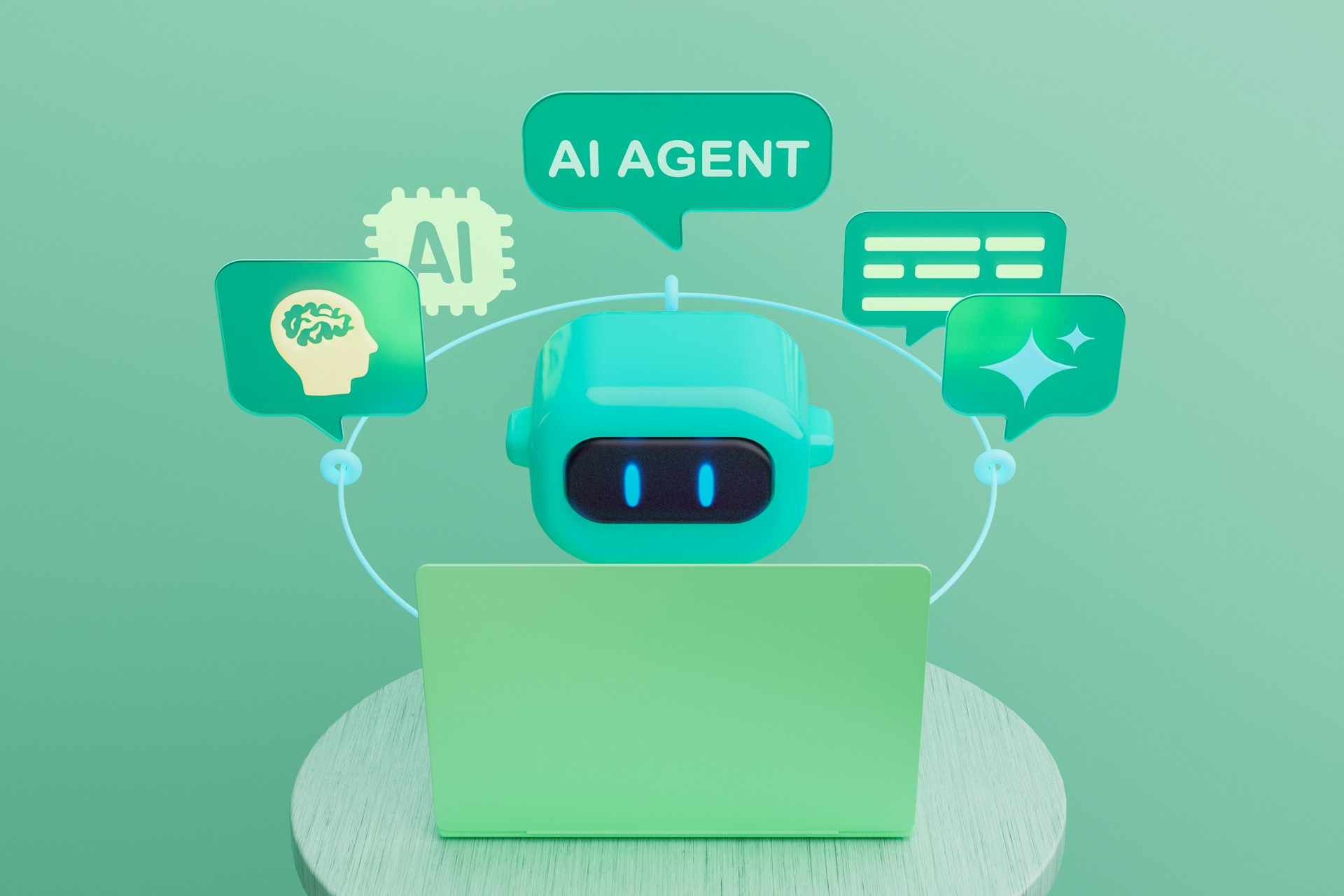
AI-powered customer portal development changes that by making the portal responsive to intent and context. With AI, a portal can anticipate what a customer is likely to do next, bring the right options to the front at the right time, cut steps out of common tasks, and suggest relevant products, services, or content in a natural way.
That shift turns each visit into measurable business opportunity. Every login becomes a chance to upsell higher-value options that actually fit the user, cross-sell related products or services (not random items), keep customers from leaving when they hit a problem, and learn from behavior so the experience keeps improving.
This is why many leaders are now treating portal modernization as a core piece of their digital plans, especially as they review peak season performance and shape the next year’s roadmap. Done well, the customer portal stops being just a support tool and becomes a living, AI-powered experience platform.
At Tridhya Tech, we blend AI, cloud, data, and enterprise solution skills to help companies build portals that are not only smart, but also scalable and secure across global operations.
Why Static Customer Portals Are Costing You Growth
Traditional portals were built for tasks, not relationships. They usually focus on simple actions like:
- Viewing orders or policies
- Downloading invoices or documents
- Submitting support tickets
These are useful, but they are also basic and very transactional. When the portal cannot answer a slightly complex question, the customer has to call or email, which creates extra load on call centers, slows resolutions, and drives frustration that could have been avoided.
There is also a quiet loss of revenue. Because the portal content is generic, it rarely suggests the next best product, a smarter plan, or a meaningful upgrade. Customers do what they came for and move on, and the brand loses a chance to grow the account.
Things get even harder when systems are siloed. CRM, ERP, logistics, billing, support tools, and partner systems all hold pieces of the truth. Without a unified view inside the portal, customers end up dealing with out-of-date order statuses, conflicting delivery or claim information, and clunky navigation between separate tools.
During holiday and year-end peaks, this can quickly turn into long wait times, repeated calls, and rising churn. Without intelligence and personalization, the portal is just a box to tick for IT, not a driver of revenue, loyalty, or efficiency.
Core Building Blocks of AI-Powered Customer Portal Development
We see AI-powered customer portal development as the mix of three things: data integration, machine learning, and experience design. The goal is simple: the portal should predict, recommend, and automate, not just display data.
Key building blocks include:
- A unified data layer that brings together CRM, ERP, logistics, billing, and support data
- Cloud-native infrastructure that can scale up during peak seasons and cool down after
- Strong identity and access management to protect sensitive customer and business information
On top of that foundation, AI capabilities drive the actual experience:
- Personalized content and product suggestions based on history and live behavior
- Predictive search that finishes the customer’s thought and finds exactly what matters
- Smart ticket routing that sends requests to the right team the first time
- Anomaly detection that flags unusual orders, claims, or usage patterns
- Automated workflows for renewals, approvals, reorders, and more
With Tridhya Tech’s end-to-end experience in digital platforms, cloud, data, and AI, we help enterprises in retail, logistics, real estate, insurance, and manufacturing design portals that feel modern today and stay ready for tomorrow.
Real-World Use Cases Across Retail, Logistics, and Beyond
AI-powered customer portal development looks different in each industry, but the core idea is the same: give every user the next right step.
In retail and ecommerce, smart portals can:
- Tailor product suggestions based on past orders and current browsing
- Streamline returns and exchanges into just a few guided steps
- Proactively suggest subscription renewals or refills
- Recommend bundles or add-ons that actually make sense
During busy holiday and post-holiday periods, this can keep support queues shorter and carts fuller.
In logistics and supply chain, portals can:
- Show predictive ETAs, not just static dates
- Alert shippers and customers about delay risks before they become problems
- Offer smart re-routing options when routes or carriers change
- Provide AI-guided self-service for tracking, paperwork, and disputes
For real estate and property management, AI can support both residents and investors by making the experience more proactive and personalized. It can suggest maintenance schedules based on property type and history, send alerts when usage patterns look unusual, deliver personalized communication, notices, and content for each group, and provide forecasts around occupancy or investment performance trends.
In insurance, claims portals can pre-check documents, guide users step by step, and triage claims to the right team, while also surfacing relevant policy options or add-ons. In manufacturing B2B portals, AI can recommend replenishment schedules tied to order and usage patterns, likely replacement parts, and maintenance windows based on IoT data and historical issues.
From Insight to Action Using Portal Data
An AI-powered portal is not just serving customers; it is also quietly learning from them. Every login generates valuable signals, such as:
- Search terms that show what people really want
- Click paths that reveal confusing screens
- Service requests that keep popping up
- Features that are rarely touched
When we turn this data into insight, it can shape pricing and packaging ideas, more focused marketing campaigns, product and feature roadmaps, and service improvements that close real gaps.
Analytics dashboards help leaders see patterns like:
- Which user segments are at higher risk of churn
- Where new users drop out during onboarding
- Which features should be simplified or promoted
The most powerful part is the feedback loop. As customers use the portal, AI models learn, personalization rules get sharper, and flows are refined. Over time, the portal quietly gets better at serving and selling.
Roadmap to Launching a Smart Portal in 6 or 12 Months
Building a smart portal does not have to be a huge, one-time overhaul. A practical roadmap usually looks like this:
- Discovery and use case definition
- Data and systems assessment
- Design of key user journeys
- AI model selection and training
- Iterative development and testing
- Pilot rollout with a focused group
- Scaled deployment across regions or lines of business
It also helps to start with a few high return areas, such as:
- AI chat for common support issues
- Personalized dashboards for top customer segments
- Smarter search and guided self-service flows
Along the way, we pay close attention to compliance, data privacy, and the reality of legacy systems. Integration with existing CRM, ERP, and older portals is often part of the plan, not an afterthought.
Timing also matters. Many teams prefer to start strategy and design near the end of the year, build and pilot during quieter months, and go broad before the next peak hits. At Tridhya Tech, we support clients not just with the tech, but also with governance, change management, and training so internal teams feel confident using and growing the new portal.
Turn Your Customer Portal Into Next Year’s Competitive Edge
When we stop seeing the customer portal as a cost center and start seeing it as an AI-powered engagement and revenue platform, everything changes. Every login becomes a chance to add value, deepen loyalty, and learn what customers truly need.
A simple way to begin is to audit the current portal experience, list the top three pain points for customers, and identify a short list of AI-powered improvements that can be delivered in the next few quarters. At Tridhya Tech, we use our experience with digital experience, cloud, data, and AI to build portals that help global businesses treat every sign-in as a moment that matters.
Transform Your Customer Experience With a Smarter Portal Today
If you are ready to modernize how you serve and retain customers, our team at Tridhya Tech can help you plan and build a solution tailored to your business. Explore our AI-powered customer portal development to see how we combine intelligent automation with intuitive UX. We work closely with your stakeholders to define requirements, integrate with your existing systems, and deliver measurable results. Have questions or want to discuss a specific use case? Simply contact us to get started.


 Listed Company
 ISO 9001 Certified
 ISO/IEC 27001 Certified